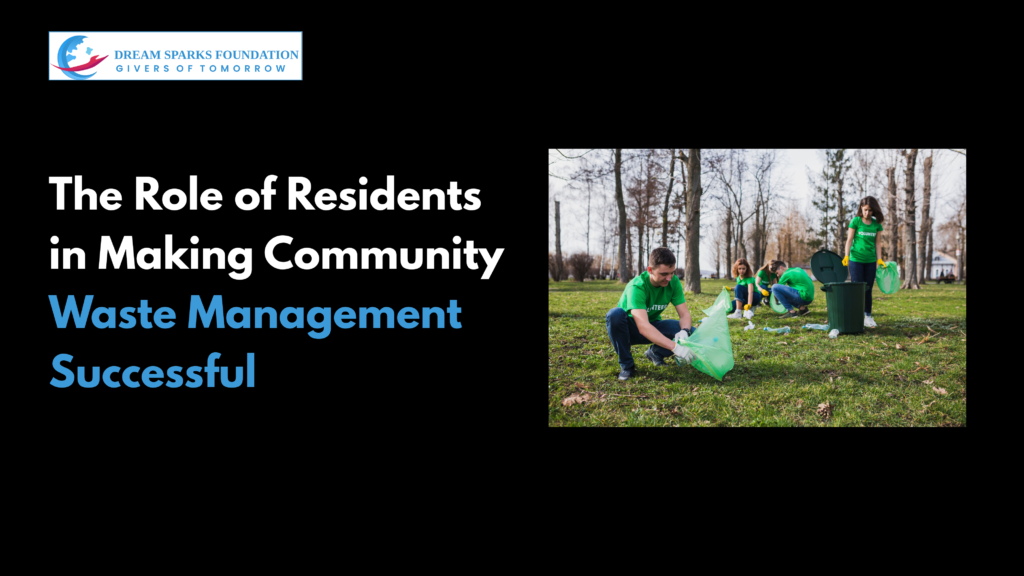
Effective waste management does not depend only on waste collection services or municipal systems. Residents and citizens play an important role in making community waste management successful. Simple actions such as segregating waste, reducing unnecessary consumption, recycling correctly, and disposing of waste responsibly can create cleaner and healthier communities.
As cities and residential communities continue to grow, the amount of household waste generated every day also increases. A successful waste management system therefore requires active participation from residents, along with proper collection, treatment, and processing systems.
Why Are Citizens Important in Waste Management?
Waste management begins at the place where waste is generated. In most communities, this means homes, apartments, offices, shops, and other establishments.
When residents separate and dispose of waste correctly, it becomes easier to collect, process, recycle, compost, and treat different types of waste.
Poor waste handling at the household level can lead to mixed waste, unpleasant odors, blocked drainage systems, littering, and difficulties during recycling and treatment.
Citizen participation can help communities build more organized and sustainable waste management solutions.
Continue reading aboutOrganic Composting: A Sustainable Solution for Waste Management and Soil Health with this link.
1. Segregate Waste at Source
One of the simplest and most effective ways residents can support waste management is by separating waste before disposal.
Household waste can generally be separated into appropriate categories such as:
- Wet or organic waste
- Dry recyclable waste
- Domestic hazardous waste
- E-waste
- Sanitary waste
Separating waste at the source reduces contamination and makes subsequent collection and processing more efficient.
For example, food scraps and other organic materials can be directed toward suitable composting or organic waste treatment processes instead of being mixed with recyclable materials.
2. Reduce Household Waste
Waste management is not only about disposing of waste. Reducing waste at the source is equally important.
Residents can reduce household waste by:
- Avoiding unnecessary purchases
- Choosing products with less packaging
- Carrying reusable shopping bags
- Using reusable bottles and containers
- Repairing products instead of immediately replacing them
- Planning meals to reduce food waste
- Reusing items whenever practical
Reducing waste helps decrease the volume of material that needs to be collected, transported, processed, or disposed of.
3. Follow Proper Recycling Practices
Recycling works more effectively when recyclable materials are kept clean and separated from wet waste.
Residents can identify recyclable materials such as paper, cardboard, metal, glass, and suitable plastics according to the collection system available in their community.
However, not every item should automatically go into a recycling bin. Local recycling guidelines should be followed because accepted materials can differ between waste management systems.
Proper recycling and waste collection practices can help recover valuable materials and reduce the amount of waste sent for final disposal.
4. Manage Organic Waste Responsibly
Food scraps, vegetable peels, fruit waste, and other biodegradable materials make up a significant portion of household waste.
Residents can support better organic waste management by keeping wet waste separate and using appropriate community-level composting or organic waste processing facilities where available.
Composting can transform suitable organic waste into a useful soil amendment while reducing the quantity of organic material that requires conventional disposal.
Community participation is particularly important because contaminated wet waste is more difficult to process effectively.
5. Dispose of Special Waste Carefully
Certain types of waste require special handling and should not simply be mixed with everyday household garbage.
Examples include:
- Batteries
- Electronic waste
- Certain chemical products
- Expired medicines
- Paint-related materials
- Other potentially hazardous household materials
Residents should use authorized collection points or appropriate disposal channels for these materials.
Medical disposal and hazardous waste disposal require particular care because improper handling can create risks for sanitation workers, communities, and the environment.
6. Support Clean and Organized Waste Collection
Residents can contribute to better garbage collection by following their community’s collection schedule and placing waste in the designated location and containers.
Leaving garbage outside collection areas, mixing waste categories, or disposing of waste in open spaces can create problems for both residents and collection teams.
A well-organized waste management setup works best when residents understand and follow the system established for their community.
7. Avoid Littering and Illegal Dumping
Throwing household waste on roadsides, vacant land, drains, or other public spaces can create long-term environmental and sanitation problems.
Litter can:
- Block drains
- Attract pests
- Create unpleasant surroundings
- Pollute soil and water
- Increase cleaning requirements
- Affect the appearance of communities
Residents can make a meaningful difference simply by disposing of waste through the designated channels instead of dumping it in public areas.
8. Participate in Community Clean-Up Activities
Community involvement can strengthen waste management awareness.
Residents can participate in activities such as:
- Neighborhood clean-up drives
- Waste awareness campaigns
- Recycling initiatives
- Composting programs
- Tree and garden maintenance activities
- Waste segregation awareness programs
These activities can encourage more people to understand how their everyday choices affect the community’s waste management system.
9. Encourage Children and Young People to Build Better Habits
Waste management awareness can start at home.
Parents and communities can teach children simple habits such as:
- Using waste bins correctly
- Avoiding littering
- Separating wet and dry waste
- Reusing useful materials
- Saving food
- Understanding the importance of recycling
When responsible waste habits become part of everyday life, they can continue into adulthood.
10. Communicate Problems to the Community
Residents can also help by reporting waste-related problems through the appropriate channels.
Issues such as overflowing collection points, illegal dumping, damaged bins, irregular collection, or poor segregation can be communicated to community management teams or relevant local authorities.
Timely communication allows waste management teams to identify problems and take appropriate action.
How Can Communities Build Sustainable Waste Management?
A successful community waste management system requires cooperation between residents, community associations, waste workers, service providers, and local authorities.
A practical approach can include:
Generate → Segregate → Collect → Process → Recycle/Recover → Dispose Responsibly
Residents are particularly important at the first stage because proper segregation begins where waste is generated.
When citizens understand the system and participate consistently, the entire waste management process can become more organized.
The Connection Between Citizens and Sustainable Waste Management
Sustainable waste management solutions are not created by infrastructure alone. They also depend on everyday human behavior.
A community may have separate bins, collection vehicles, recycling facilities, and processing systems, but these systems can become less effective when residents continuously mix different waste types or dispose of waste incorrectly.
Citizen participation therefore complements waste management infrastructure.
Small actions performed by hundreds or thousands of residents can collectively create a significant difference.
Conclusion
The role of citizens in waste management is essential to creating cleaner, healthier, and more sustainable communities.
Waste management does not begin when a collection vehicle arrives. It begins when residents decide how to handle the waste they generate.
By segregating waste, reducing unnecessary consumption, recycling responsibly, managing organic waste properly, avoiding littering, and supporting community initiatives, residents can become active participants in sustainable waste management.
At Dream Sparks Foundation, promoting awareness around responsible waste practices can help communities understand that every household has a role to play in building a cleaner and more sustainable future.