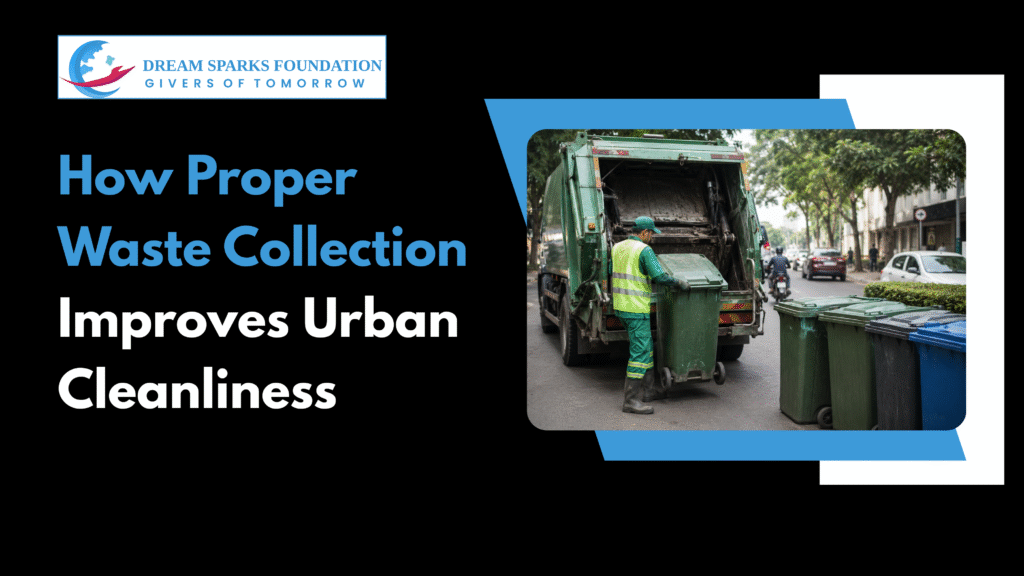
Cities continue to grow rapidly, bringing increased opportunities along with greater challenges. One of the biggest challenges facing urban areas today is managing the enormous amount of waste generated every day. Proper Waste Collection is the foundation of an efficient waste management system that helps cities remain clean, healthy, and environmentally sustainable.
When waste is collected on time, transported safely, and processed responsibly, it reduces pollution, protects public health, and improves the quality of life for residents. Modern cities are increasingly investing in smart waste management technologies, better collection infrastructure, and public awareness programs to create cleaner communities.
In this guide, we’ll explore why Proper Waste Collection is essential, how it benefits urban life, and the best practices that cities, businesses, and residential communities should adopt.
What is Proper Waste Collection?
Proper Waste Collection refers to the systematic process of collecting, transporting, and disposing or recycling waste generated by households, commercial establishments, industries, and public spaces.
An effective waste collection system includes:
- Timely waste pickup
- Waste segregation at source
- Safe transportation
- Recycling and recovery
- Scientific disposal
- Organic waste processing
Without efficient waste collection, even the best recycling or disposal systems cannot function effectively.
Continue reading about Why Waste Segregation Matters: The First Step in Sustainable Waste Management with this link
Why Proper Waste Collection Matters
Urban areas generate thousands of tons of waste every day. If waste remains uncollected, it quickly becomes a source of environmental pollution and disease.
Proper Waste Collection helps:
- Prevent overflowing garbage bins
- Reduce foul odors
- Minimize pest infestations
- Protect groundwater
- Improve air quality
- Enhance public hygiene
- Support recycling initiatives
It serves as the first and most critical step in the entire waste management process.
The Link Between Waste Collection and Public Health
Poor waste collection directly affects human health.
Accumulated waste attracts:
- Rats
- Mosquitoes
- Flies
- Stray animals
- Harmful bacteria
These contribute to diseases such as:
- Dengue
- Malaria
- Cholera
- Typhoid
- Gastrointestinal infections
- Respiratory illnesses
Regular waste collection reduces these risks significantly by removing waste before it becomes hazardous.
Healthcare costs also decrease when communities maintain cleaner surroundings.
How Proper Waste Collection Improves Urban Cleanliness
Cleaner Roads
Timely garbage removal prevents litter accumulation.
Better Public Spaces
Parks, markets, bus stations, and commercial zones remain cleaner.
Improved Drainage
Waste often blocks drainage systems, causing flooding.
Regular waste collection prevents drain blockage.
Better Living Conditions
Residents enjoy healthier neighborhoods with less pollution and fewer unpleasant odors.
Supporting Sustainable Waste Management
Proper Waste Collection is essential for achieving sustainable waste management.
Collected waste can be directed toward:
- Recycling centers
- Composting facilities
- Biogas plants
- Waste-to-energy plants
- Scientific landfills
This reduces landfill dependency while recovering valuable resources.
Waste Segregation Makes Collection More Efficient
Organic Waste
- Food waste
- Garden waste
- Vegetable scraps
Dry Waste
- Plastic
- Paper
- Cardboard
- Metal
- Glass
Hazardous Waste
- Batteries
- Paint
- Chemicals
- Medical waste
The Role of Municipal Solid Waste Management
Municipal authorities are responsible for collecting waste from:
- Residential areas
- Commercial complexes
- Institutions
- Public roads
- Markets
Environmental Benefits of Proper Waste Collection
Reduced Air Pollution
Less open dumping and burning.
Cleaner Water Bodies
Prevents waste from entering lakes, rivers, and drains.
Lower Greenhouse Gas Emissions
Organic waste processed through composting emits fewer harmful gases than unmanaged landfills.
Better Soil Quality
Proper disposal prevents soil contamination.
Increased Recycling
More recyclable materials are recovered before contamination.
Organic Waste Management
Organic waste often represents over half of household waste.
Instead of sending it to landfills, cities can convert it into:
- Compost
- Biofertilizer
- Biogas
- Renewable energy
Apartment complexes, hotels, restaurants, and commercial establishments increasingly install organic waste composters to process waste on-site.
Conclusion
Proper Waste Collection is much more than simply removing garbage—it is the foundation of cleaner cities, healthier communities, and sustainable development. Efficient Waste Management, Waste Segregation, and Municipal Solid Waste Management systems help reduce pollution, protect public health, improve recycling rates, and support the transition to a Circular Economy.
Governments, businesses, residential communities, and individuals all have a role to play in ensuring waste is collected, segregated, and processed responsibly. By embracing Smart Waste Management technologies and sustainable practices, cities can create healthier environments and improve the quality of urban life for future generations.