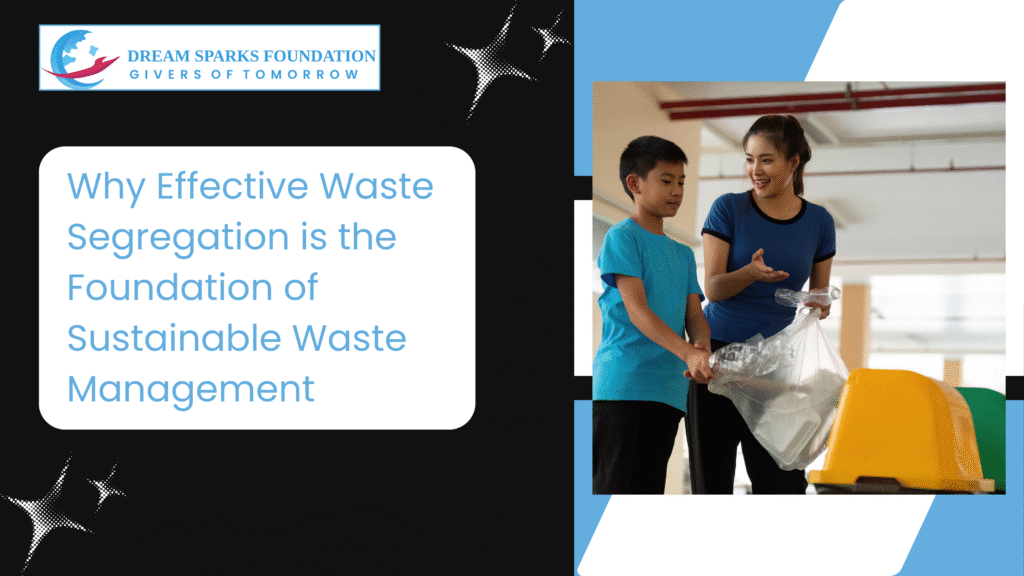
Every day, homes, businesses, industries, and institutions generate large amounts of waste. When all waste is mixed together, valuable recyclable materials are lost, organic waste ends up in landfills, and hazardous materials contaminate the environment. This is why waste segregation is considered the foundation of sustainable waste management.
Separating waste at its source may seem like a small action, but it has a significant impact on recycling efficiency, landfill reduction, public health, and environmental sustainability. Whether you’re managing a residential community, commercial property, manufacturing facility, or educational institution, proper waste segregation creates a cleaner, safer, and more resource-efficient future.
In this guide, you’ll learn why waste segregation matters, how it supports modern waste management systems, and the best practices organizations can adopt to improve sustainability.
What Is Waste Segregation?
Waste segregation is the process of separating different types of waste at the point where they are generated. Instead of disposing of all waste in one bin, it is sorted into specific categories so each type can be treated appropriately.
Common categories include:
- Wet (organic) waste
- Dry recyclable waste
- Plastic waste
- Paper and cardboard
- Glass
- Metal
- Electronic waste (E-waste)
- Hazardous waste
- Biomedical waste (where applicable)
Proper segregation ensures that recyclable materials remain uncontaminated while organic waste can be composted or processed separately.
Why Is Waste Segregation Important?
1. Improves Recycling Efficiency
One of the biggest advantages of waste segregation is improving waste recycling.
When recyclable materials are separated correctly:
- Paper remains clean
- Plastic can be recycled efficiently
- Glass is easier to recover
- Metals retain their value
This increases recycling rates while reducing the amount of waste sent to landfills.
2. Reduces Landfill Waste
Landfills are filling up rapidly across many cities.
By practicing waste segregation:
- Organic waste can be composted.
- Recyclables can be processed.
- Hazardous waste receives safe treatment.
- Only non-recyclable waste reaches landfills.
Reducing landfill dependency also lowers greenhouse gas emissions and protects surrounding ecosystems.
3. Supports Sustainable Waste Management
Modern waste management systems depend on proper segregation.
Without source segregation:
- Recycling plants receive contaminated waste.
- Compost quality decreases.
- Disposal costs increase.
- Recovery rates decline.
Segregation allows waste management services to process materials more efficiently while conserving natural resources.
4. Conserves Natural Resources
Every recyclable material recovered through proper waste segregation reduces the demand for raw materials.
Examples include:
- Recycling paper saves trees.
- Recycling metals reduces mining.
- Recycling plastic lowers petroleum consumption.
- Recycling glass saves energy during manufacturing.
This supports a circular economy where materials remain in use for longer.
Types of Waste That Should Be Segregated
Organic Waste
Includes:
- Food waste
- Vegetable peels
- Fruit waste
- Garden waste
- Coffee grounds
This waste is suitable for composting or biogas production.
Dry Recyclable Waste
Includes:
- Paper
- Cardboard
- Plastic bottles
- Metal cans
- Glass bottles
These materials support waste management and recycling initiatives.
Hazardous Waste
include:
- Paint
- Chemicals
- Cleaning agents
- Aerosol cans
- Pesticides
Improper disposal can contaminate soil and groundwater, making hazardous waste management essential.
Waste Segregation in India
Waste management in India has become increasingly important due to rapid urbanization and growing waste generation.
Many municipalities encourage segregation into:
- Wet waste
- Dry waste
- Domestic hazardous waste
Segregation at the source helps improve collection efficiency, supports recycling industries, and reduces pressure on landfills.
Businesses, residential communities, schools, and commercial buildings all play an important role in adopting responsible waste management practices.
Common Mistakes to Avoid
Many organizations struggle with waste segregation because of simple mistakes.
Avoid:
- Mixing food waste with recyclables
- Throwing batteries into regular bins
- Disposing of electronic devices with household waste
- Using unlabeled waste bins
- Ignoring employee awareness
Correcting these issues significantly improves recycling outcomes.
Conclusion
Waste segregation is more than simply separating trash—it is the foundation of an effective and sustainable waste management system. By sorting waste at its source, individuals and organizations can improve recycling efficiency, reduce landfill dependency, conserve natural resources, and create healthier communities.
As waste generation continues to increase, adopting proper waste segregation practices is no longer optional. It is an essential step toward responsible waste disposal, environmental protection, and long-term sustainability. Every correctly sorted item contributes to a cleaner environment and a more circular economy.
Continue reading about What Are the Biggest Waste Management Challenges for Businesses with Multiple Locations? with this link