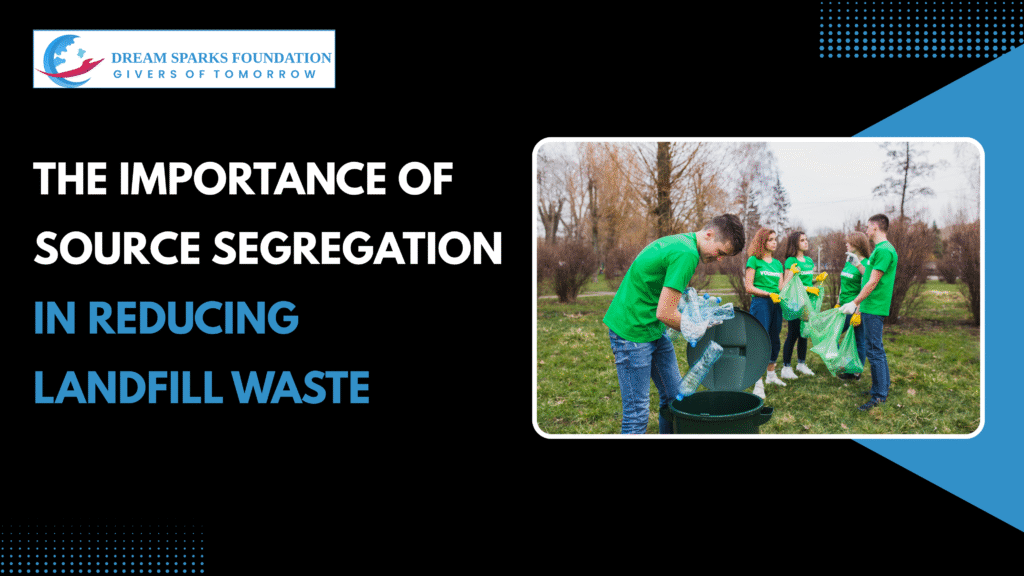
Every day, homes, offices, apartments, schools, hospitals, and industries generate enormous amounts of waste. Unfortunately, much of this waste ends up in landfills because different types of waste are mixed together at the source. This makes recycling difficult, increases pollution, and wastes valuable resources.
Source segregation of waste is one of the simplest yet most effective ways to improve waste management, reduce landfill waste, increase recycling rates, and protect the environment.
Whether you’re an individual, a business, or a residential community, proper waste segregation plays a crucial role in creating cleaner cities and a more sustainable future.
In this guide, you’ll learn why source segregation matters, how it works, and how it supports a circular economy.
What Is Source Segregation of Waste?
Source segregation means separating waste where it is generated instead of mixing everything into one bin.
Rather than throwing all waste into a single container, different waste streams are placed into separate waste bins based on their type.
Common categories include:
- Organic waste
- Dry recyclable waste
- Paper and cardboard
- Glass
- Metal
- Hazardous waste
- Electronic waste (E-waste)
When waste is separated correctly at the source, recycling becomes easier, contamination is reduced, and more materials can be recovered instead of being sent to landfills.
Continue reading about Why Effective Waste Segregation is the Foundation of Sustainable Waste Management with this link
Why Waste Segregation Is Important
1. Reduces Landfill Waste
One of the biggest advantages of waste segregation is reducing the amount of waste that reaches landfills.
A large percentage of household waste is biodegradable or recyclable. When mixed together, these valuable materials become contaminated and cannot be processed efficiently.
Proper segregation ensures that:
- Organic waste becomes compost.
- Recyclable materials return to manufacturing.
- Hazardous waste receives safe treatment.
- Only non-recyclable waste reaches landfills.
As a result, landfill space lasts longer and environmental damage decreases.
2. Improves Waste Recycling
Recycling begins with proper segregation.
Mixed waste often contains food residue, liquids, and contaminants that reduce the quality of recyclable materials.
Separating waste improves:
- Plastic recycling
- Paper recycling
- Metal recycling
- Glass recycling
- Waste management recycling efficiency
Cleaner recyclable materials have greater value and can be reused in manufacturing.
3. Supports Plastic Waste Management
Plastic pollution is one of the world’s biggest environmental challenges.
Effective plastic waste management starts by separating plastics from organic waste.
Benefits include:
- Better plastic recycling
- Less plastic entering oceans
- Reduced landfill pollution
- Lower carbon emissions
- Conservation of natural resources
Proper segregation allows recyclable plastics to be processed instead of discarded.
4. Makes Organic Waste Useful
Organic waste such as:
- Food scraps
- Fruit peels
- Vegetable waste
- Garden waste
- Organic garbage
can be converted into:
- Compost
- Organic fertilizer
- Soil conditioners
- Biogas
Instead of producing methane in landfills, biodegradable waste becomes a valuable resource for agriculture and landscaping.
5. Prevents Environmental Pollution
Improper waste disposal contributes to:
- Air pollution
- Water pollution
- Soil contamination
- Bad odors
- Pest infestations
Segregated waste helps reduce pollution by ensuring each waste stream is handled using the correct treatment process.
This creates cleaner neighborhoods and healthier communities.
The Different Types of Waste That Should Be Segregated
Organic Waste
Organic waste includes biodegradable materials that decompose naturally.
Examples:
- Food waste
- Vegetable peels
- Garden waste
- Coffee grounds
- Leaves
- Organic garbage
These materials can be composted instead of being dumped into landfills.
Dry Recyclable Waste
Dry waste includes materials that can be recovered and recycled.
Examples:
- Paper
- Cardboard
- Plastic bottles
- Glass bottles
- Aluminum cans
- Steel containers
Proper segregation improves recycling efficiency and conserves resources.
Hazardous Waste
Hazardous waste requires careful handling because it contains harmful substances.
Examples include:
- Paint
- Chemicals
- Batteries
- Medical waste
- Cleaning agents
- Pesticides
Never mix hazardous waste with household waste.
How Source Segregation Supports the Circular Economy
The traditional “take, make, dispose” model generates enormous waste.
A circular economy focuses on keeping materials in use for as long as possible through:
- Recycling
- Reuse
- Repair
- Recovery
- Composting
Source segregation is the foundation of this system because it provides clean materials that can be reintroduced into production instead of being discarded.
Benefits of Waste Segregation for Businesses
Lower Waste Disposal Costs
Separating recyclable materials reduces the volume of waste sent for disposal.
Improved Sustainability
Organizations demonstrate environmental responsibility through better waste management practices.
Easier Regulatory Compliance
Proper waste handling supports compliance with environmental regulations and sustainability goals.
Better Workplace Hygiene
Separate waste bins reduce odors, contamination, and pest problems.
Best Practices for Effective Waste Segregation
- Use color-coded recycling bins.
- Separate wet and dry waste daily.
- Keep recyclable materials clean and dry.
- Store hazardous waste separately.
- Dispose of electronic waste through authorized collection centers.
- Educate employees, residents, and family members.
- Conduct regular waste awareness campaigns.
- Encourage recycling and composting.
The Environmental Impact of Proper Waste Segregation
- Reduced landfill waste
- Lower greenhouse gas emissions
- Increased recycling rates
- Cleaner public spaces
- Better soil quality
- Improved water quality
- Conservation of natural resources
- Reduced environmental pollution
Conclusion
Waste segregation is more than just separating garbage—it is the first step toward effective waste management and environmental sustainability. By practicing source segregation of waste, individuals, businesses, and communities can reduce landfill waste, improve recycling, conserve resources, and support a circular economy.
Every correctly sorted item contributes to cleaner cities, healthier ecosystems, and a more sustainable future. Whether it’s composting organic waste, recycling plastic, or safely disposing of electronic waste, small daily actions create a lasting environmental impact.
Start segregating waste today, and help build a cleaner tomorrow
Continue reading about How Source Segregation Improves Organic Waste Management Efficiency with this link