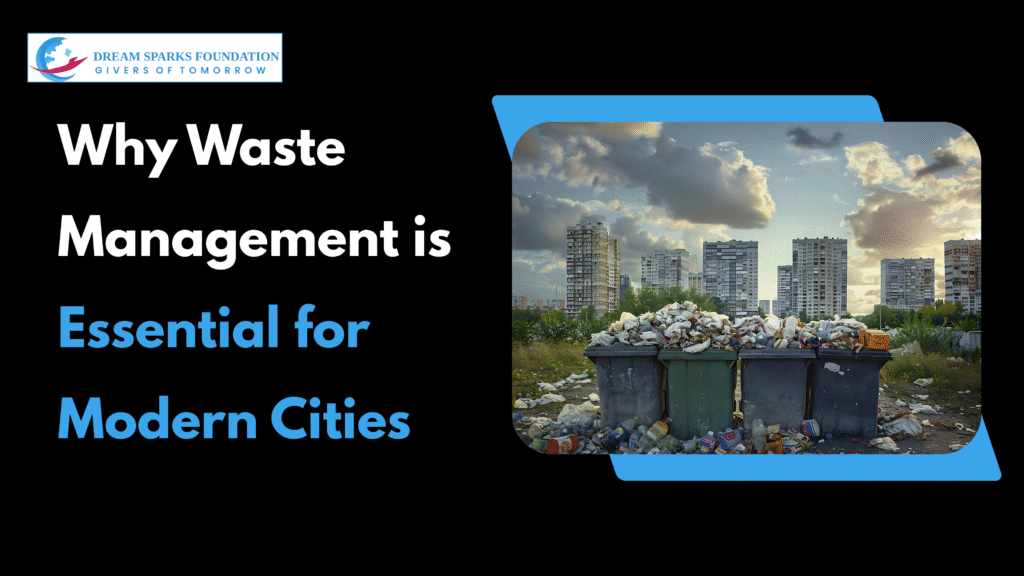
Cities are the engines of economic growth, innovation, and opportunity. Every day, millions of people live, work, travel, and consume resources within urban areas. While this rapid urbanization brings progress, it also creates one of the most pressing challenges of our time—managing the ever-growing volume of waste.
From food scraps and packaging materials to construction debris and industrial by-products, urban waste is increasing at an unprecedented pace. Without a structured approach to collection, segregation, recycling, and responsible disposal, cities face rising pollution, overflowing landfills, public health concerns, and environmental degradation.
Modern waste management is no longer limited to removing garbage from streets. It has evolved into a comprehensive system that prioritizes resource recovery, environmental conservation, and long-term sustainability. By adopting efficient waste management practices, cities can reduce pollution, preserve valuable resources, improve public health, and move closer to a circular economy where materials remain in use for as long as possible.
This article explores why waste management is essential for modern cities, the challenges urban areas face, and the sustainable solutions shaping cleaner and healthier communities.
The Growing Waste Challenge in Urban Areas
Urban populations continue to expand, resulting in higher consumption of goods and services. As lifestyles evolve, the amount and variety of waste generated also increase.
Today’s cities must handle:
- Household waste
- Commercial waste
- Industrial waste
- Biomedical waste
- Organic waste
- Hazardous waste
Managing these waste streams requires careful planning, infrastructure, and community participation. Without proper systems in place, waste accumulates quickly, affecting both people and the environment.
Why Waste Management Matters More Than Ever
Creating Healthier Communities
Poorly managed waste attracts insects, rodents, and disease-causing microorganisms. Overflowing garbage bins and illegal dumping sites can contaminate surrounding areas, creating unhealthy living conditions.
An organized waste management system helps maintain clean neighborhoods, improves sanitation, and reduces the spread of illnesses associated with unmanaged waste.
Protecting Air, Water, and Soil
Improper disposal methods such as open dumping and burning release harmful pollutants into the environment. Toxic substances can seep into groundwater, contaminate rivers, and reduce soil quality.
Responsible waste treatment minimizes environmental damage by ensuring materials are handled safely and disposed of using environmentally sound practices.
Conserving Valuable Natural Resources
Many items commonly discarded still have value. Paper, plastics, glass, metals, and organic materials can often be reused, recycled, or converted into new products.
Recovering these resources reduces the need to extract raw materials, helping conserve forests, minerals, water, and energy while supporting sustainable production.
Supporting Sustainable Urban Development
Clean cities are more attractive for residents, businesses, and visitors. Effective waste management contributes to better infrastructure, improved public spaces, and enhanced quality of life.
It also supports national sustainability goals by reducing pollution and promoting responsible resource use.
Waste Segregation: The First Step Toward Sustainability
One of the most effective ways to improve waste management is through segregation at the source.
Separating waste into different categories allows recyclable and biodegradable materials to be processed efficiently while ensuring hazardous waste receives specialized treatment.
Typical categories include:
- Organic waste
- Recyclable materials
- Non-recyclable waste
- Hazardous waste
Proper segregation increases recycling rates and reduces the amount of waste sent to landfills.
Recycling: Transforming Waste into Resources
Recycling is one of the cornerstones of sustainable waste management.
Instead of treating discarded materials as useless, recycling gives them a second life by converting them into raw materials for new products.
The benefits include:
- Lower energy consumption
- Reduced greenhouse gas emissions
- Conservation of natural resources
- Less pressure on landfills
- Creation of green employment opportunities
Successful recycling programs depend on both public participation and efficient collection systems.
Managing Organic Waste Responsibly
Food waste and garden waste make up a significant portion of municipal waste.
Rather than ending up in landfills, organic materials can be transformed into valuable compost or renewable energy through biological treatment methods.
Responsible management of organic waste:
- Improves soil health
- Supports agriculture
- Reduces methane emissions
- Minimizes landfill dependency
Communities that embrace composting contribute significantly to sustainable urban waste management.
The Role of Technology in Smarter Waste Management
Modern cities increasingly rely on digital solutions to improve waste management operations.
Data-driven monitoring, route optimization, digital reporting, and real-time tracking help authorities allocate resources more efficiently and improve service delivery.
These innovations enhance operational efficiency while supporting better planning and informed decision-making.
Continue reading about Waste Management Audits: A Complete Guide for Businesses to Achieve Compliance and Sustainability with this link
Building a Circular Economy
Traditional waste systems often follow a “take, use, and discard” approach.
A circular economy replaces this model by encouraging products and materials to remain in use for as long as possible through reuse, repair, refurbishment, and recycling.
This approach:
- Reduces waste generation
- Conserves finite resources
- Encourages sustainable manufacturing
- Supports long-term environmental resilience
Cities embracing circular economy principles are better prepared for future environmental challenges.
How Organizations Can Lead Sustainable Waste Practices
Businesses have significant opportunities to reduce their environmental footprint.
Organizations can strengthen sustainability by:
- Conducting regular waste assessments
- Minimizing packaging materials
- Improving resource efficiency
- Encouraging employee awareness
- Partnering with certified recycling agencies
- Implementing responsible disposal practices
Sustainable waste management also enhances corporate reputation and demonstrates environmental responsibility.
Conclusion
Waste management is far more than a municipal service—it is a foundation for sustainable urban development. Modern cities depend on efficient systems that protect public health, conserve natural resources, reduce pollution, and support responsible economic growth.
Every stakeholder has a role to play. Governments can strengthen infrastructure, organizations can adopt sustainable operational practices, and individuals can make informed daily choices that reduce waste generation.
At Dream Sparks Foundation, we believe that lasting environmental change begins with awareness and responsible action. By embracing sustainable waste management practices today, we can create cleaner neighborhoods, healthier communities, and resilient cities for generations to come.