Every day, businesses generate waste as part of their routine operations. From office paper and packaging materials to electronic equipment and industrial by-products, waste is an unavoidable outcome of business activities. However, what separates responsible organizations from the rest is how they manage that waste.
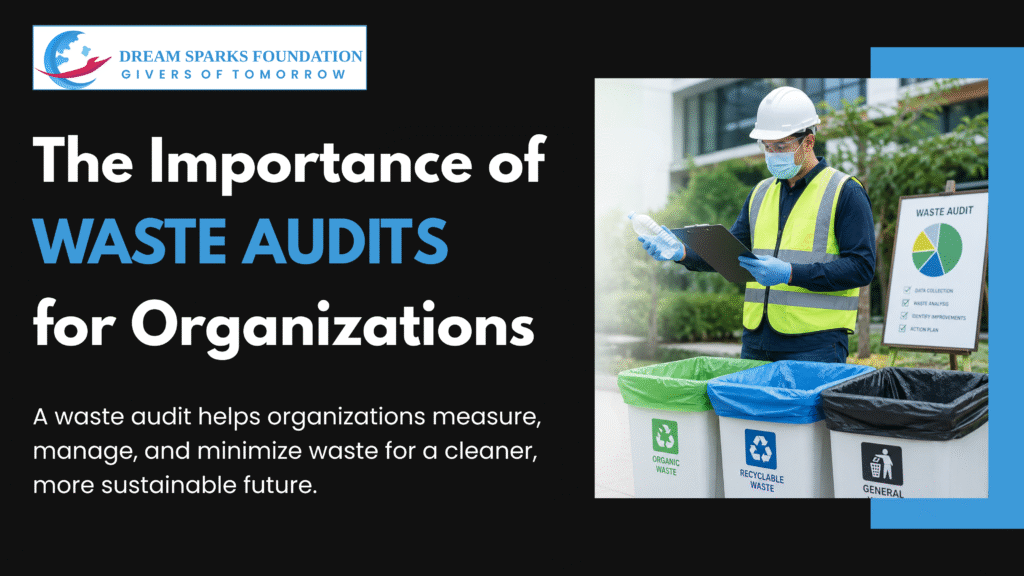
A Waste Management Audit is one of the most effective tools for understanding how waste is generated, handled, and disposed of within an organization. Rather than viewing waste as something to simply remove, a waste audit helps businesses identify opportunities to reduce waste, improve recycling, lower operational costs, and comply with environmental regulations.
Across India, organizations are placing greater emphasis on sustainable operations. Customers, investors, employees, and regulatory authorities increasingly expect businesses to adopt responsible waste management practices. Conducting regular waste audits allows organizations to measure their environmental impact while creating practical strategies for long-term sustainability.
This guide explains what waste management audits are, why they matter, how they are conducted, and how organizations can use the findings to build cleaner, more efficient, and environmentally responsible workplaces.
Understanding Waste Management Audits
A waste management audit is a structured assessment of the waste generated within an organization. It examines every stage of the waste management process—from waste generation and segregation to collection, recycling, treatment, and final disposal.
The primary objective is not simply to measure waste volumes but to understand why waste is being generated and identify practical opportunities for improvement.
A comprehensive audit answers questions such as:
- What types of waste are generated?
- Which departments produce the most waste?
- How much waste can be recycled?
- Is waste being segregated correctly?
- Are hazardous materials handled safely?
- Are current waste disposal practices compliant with regulations?
The answers help organizations develop a more effective waste management system while supporting environmental responsibility.
Why Waste Audits Matter More Than Ever
Businesses today operate in a world where sustainability is becoming a business necessity rather than an optional initiative.
Organizations face increasing pressure to:
- Reduce environmental impact
- Improve resource efficiency
- Meet regulatory requirements
- Lower waste disposal costs
- Strengthen ESG performance
- Build customer trust
Without understanding their waste streams, businesses often spend more on waste disposal than necessary while missing valuable recycling opportunities.
A waste audit transforms assumptions into measurable data, enabling informed decisions instead of guesswork.
Continue reading about The Benefits of Using Sustainable Waste Management Practices with this link
The Different Types of Waste Found in Organizations
General Solid Waste
This includes everyday waste generated in offices, schools, shopping centres, residential communities, and commercial buildings.
Examples include:
- Paper
- Cardboard
- Plastic packaging
- Food waste
Improving solid waste management starts with identifying recyclable and non-recyclable materials.
Electronic Waste
Electronic waste is one of the fastest-growing waste streams globally.
Examples include:
- Computers
- Laptops
- Mobile phones
- Chargers
- Keyboards
- Printers
- Servers
- Network equipment
Responsible e waste management helps recover valuable materials while preventing hazardous substances from entering the environment.
Hazardous Waste
Some industries generate waste that requires special handling because it may pose environmental or health risks.
Examples include:
- Chemical containers
- Solvents
- Oils
- Paints
- Cleaning chemicals
- Industrial sludge
Proper hazardous waste management reduces workplace risks and ensures legal compliance.
Biomedical Waste
Hospitals, clinics, laboratories, and healthcare facilities generate biomedical waste that requires careful handling.
This includes:
- Used syringes
- Bandages
- Gloves
- Laboratory samples
- Medical plastics
- Pharmaceutical waste
Improper biomedical waste management can lead to serious public health risks.
Key Components of a Waste Management Audit
1. Waste Identification
The first step involves identifying all waste streams generated within the organization.
This creates a complete picture of waste generation across departments.
2. Waste Quantification
Organizations measure:
- Daily waste generation
- Weekly waste volume
- Monthly disposal quantities
- Seasonal fluctuations
Accurate data forms the foundation of successful waste management planning.
3. Waste Segregation Assessment
Poor waste segregation often results in recyclable materials being sent to landfills.
Auditors evaluate whether waste is separated into categories such as:
- Organic waste
- Dry waste
- Recyclables
- Hazardous waste
- Electronic waste
Proper segregation improves recycling efficiency and reduces disposal costs.
4. Collection and Storage Review
An audit examines:
- Collection schedules
- Waste bins
- Storage areas
- Internal transportation
- Safety practices
Efficient waste collection minimizes contamination and improves workplace hygiene.
Benefits of Conducting Waste Management Audits
Better Decision Making
Waste audits provide reliable information rather than assumptions.
Organizations can allocate resources more effectively and improve waste management strategies.
Reduced Operating Costs
Improved waste segregation reduces disposal expenses while increasing recyclable material recovery.
Lower waste volumes often translate into lower waste collection costs.
Increased Recycling
Many businesses discover that a large portion of their waste can be recycled when proper segregation practices are introduced.
This supports circular economy initiatives and reduces environmental impact.
Improved Compliance
Regular audits help organizations comply with environmental regulations and industry standards.
Documentation generated during audits also supports regulatory reporting.
Stronger Sustainability Performance
Waste reduction contributes directly to broader sustainability goals by conserving natural resources and reducing greenhouse gas emissions.
Common Problems Identified During Waste Audits
Many organizations experience similar waste management challenges.
These include:
- Mixed waste in collection bins
- Low employee awareness
- Excessive paper usage
- Poor storage practices
- Limited recycling infrastructure
- Lack of waste tracking
- Inadequate vendor management
Identifying these issues is the first step toward meaningful improvement.
Practical Strategies After Completing a Waste Audit
The value of an audit lies in the actions that follow.
Organizations can improve performance by:
- Introducing colour-coded waste bins
- Conducting employee awareness programs
- Reducing single-use plastics
- Improving procurement practices
- Encouraging paperless operations
- Establishing recycling partnerships
- Monitoring waste generation monthly
- Reviewing waste management policies annually
Continuous improvement delivers better long-term results than one-time initiatives.
Conclusion
Waste management audits provide organizations with the knowledge needed to make informed decisions about how waste is handled across their operations. By identifying waste generation patterns, improving segregation practices, and increasing recycling opportunities, businesses can reduce costs while contributing to a cleaner environment.
As environmental regulations become more stringent and sustainability expectations continue to rise, regular waste audits are no longer just a compliance activity—they are a strategic investment in operational efficiency, responsible resource management, and long-term environmental stewardship. Organizations that embrace waste audits today are better positioned to build resilient, sustainable, and future-ready operations.