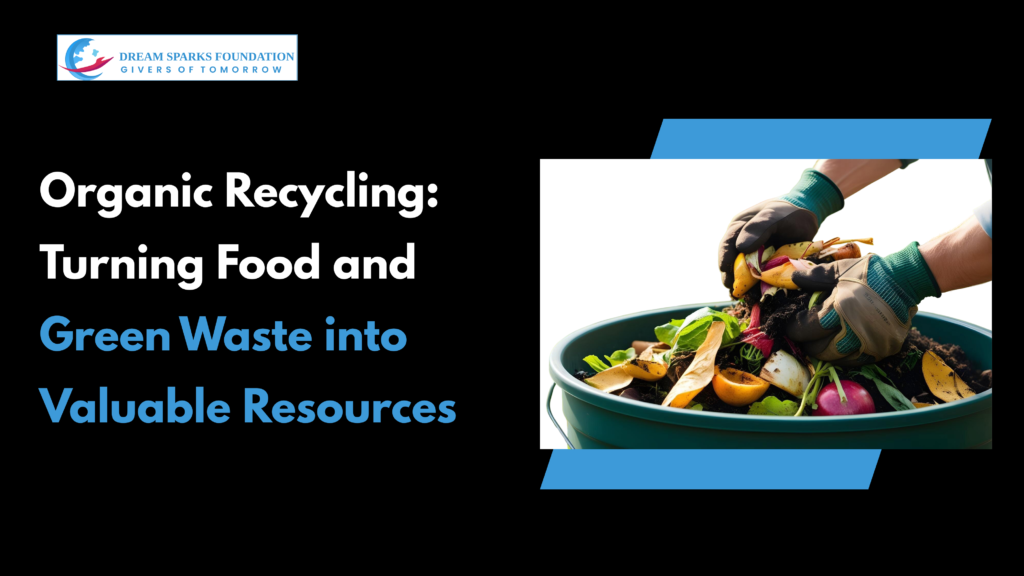
Organic waste is one of the most common waste streams generated by households, businesses, residential communities, institutions, and commercial properties. Food scraps, fruit and vegetable peels, fallen leaves, grass clippings, branches, and plant trimmings can make up a significant portion of the waste we produce every day.
However, not all organic waste is the same. Food waste and garden waste are two different organic waste streams, and understanding their differences is essential for effective waste segregation, recycling, composting, and resource recovery.
Rather than viewing organic materials as something that simply needs to be thrown away, communities can treat them as valuable resources. With appropriate organic waste disposal, recycling, and processing practices, these materials can be transformed into compost, mulch, and other useful resources that contribute to healthier soils and more sustainable communities.
What Is Food Waste?
Food waste refers to food and food-related materials that are discarded during preparation, storage, serving, or consumption.
Common examples include:
- Fruit and vegetable peels
- Leftover food
- Spoiled food
- Coffee grounds and tea leaves
- Eggshells
- Bread and grains
- Food preparation scraps
- Unused or discarded edible food
Food waste generally contains a high level of moisture and can decompose relatively quickly. If it is mixed with general waste, it can create odours and make the recovery of recyclable materials more difficult.
Proper food waste management begins with separating food waste at the source and directing it toward suitable organic recycling or composting systems.
Continue reading about Top Strategies for Effective Community Waste Management with this link
What Is Garden Waste?
Garden waste, often referred to as green waste, comes primarily from gardening, landscaping, parks, and outdoor maintenance activities.
Typical examples include:
- Fallen leaves
- Grass clippings
- Small branches
- Twigs
- Weeds
- Flowers
- Hedge trimmings
- Plant cuttings
- Pruned vegetation
Garden waste can vary considerably in size, moisture, and composition. Leaves and grass may decompose relatively quickly, while branches and woody materials can take longer and may require shredding or other processing before they can be effectively reused.
This makes green waste recycling an important part of sustainable landscaping and organic resource recovery.
Why Is Organic Waste Segregation Important?
Source segregation means separating waste according to its type before it enters the collection and processing system.
When food waste, garden waste, recyclables, and general rubbish are mixed together, valuable materials can become contaminated. This makes recycling and organic processing more difficult and can increase the amount of waste sent for final disposal.
Proper segregation can help support:
- Better recycling outcomes
- Reduced contamination
- More efficient organic waste processing
- Reduced landfill dependency
- Improved resource recovery
- Cleaner communities
- Greater environmental awareness
For businesses and institutions, source segregation can also become an important part of responsible commercial waste management.
Turning Food Waste into Valuable Resources
Food waste does not necessarily have to become waste in the traditional sense. When suitable food materials are separated and processed correctly, they can contribute to valuable organic resources.
Composting is one of the most widely recognised methods. Through natural biological decomposition under controlled conditions, suitable organic materials can be transformed into compost that can support soil health and plant growth.
This changes the approach to food disposal from simply removing unwanted materials to recovering resources that can be returned to the environment.
Restaurants, offices, schools, residential communities, and other organisations can contribute to this process by implementing effective food waste segregation and collection practices.
Recycling and Reusing Green Waste
Garden waste also has considerable resource-recovery potential.
Depending on its type and condition, green waste can be:
- Shredded into smaller pieces
- Used as mulch
- Added to suitable composting systems
- Converted into organic soil amendments
- Reused in landscaping applications
For example, leaves and grass clippings can contribute organic matter to composting systems, while suitable branches and plant trimmings can be processed into smaller material for mulching or other applications.
Effective green waste disposal should therefore consider recycling and recovery options before sending suitable material for general disposal.
The Role of Commercial Waste Management
Commercial properties can generate multiple waste streams simultaneously.
A restaurant may produce significant quantities of food waste. An office may generate cardboard, paper, food scraps, and general waste. A residential community with landscaped areas may also produce substantial amounts of green waste.
A responsible commercial waste management strategy should identify these individual waste streams and establish appropriate segregation practices.
Common commercial waste streams may include:
- Food waste
- Green waste
- Cardboard
- Paper
- Plastics
- Glass
- General waste
Clearly labelled commercial waste bins can help employees, residents, visitors, and facility teams understand where different materials should be placed.
Why Food Waste and Green Waste Should Be Managed Separately
Although both materials are organic, treating them exactly the same way may not always produce the best results.
Food waste is typically wetter and more easily decomposed, while garden waste can contain dry, fibrous, and woody materials. These differences affect collection, handling, processing, and recycling.
For example, some garden materials may require shredding before they can be efficiently processed, while food waste may require more frequent handling because of its moisture content and rapid decomposition.
Recognising these differences can help organisations improve their organic waste disposal and recycling strategies.
Common Organic Waste Management Mistakes
Mixing Organic Waste with General Waste
When food scraps and garden materials are placed into general waste bins, opportunities for recycling and resource recovery can be lost.
Contaminating Organic Waste
Plastic packaging, glass, metal, and other non-organic materials can contaminate organic waste and reduce its suitability for composting or other processing.
Ignoring Garden Waste
Leaves, grass, branches, and plant trimmings are sometimes treated simply as rubbish, despite their potential value as composting or mulching materials.
Poor Bin Labelling
Unclear or confusing bin labels can result in incorrect segregation. Simple and visible instructions can encourage better waste-sorting behaviour.
Focusing Only on Disposal
Effective waste management should go beyond rubbish disposal. Prevention, reuse, segregation, recycling, composting, and resource recovery should all be considered.
How Communities Can Improve Organic Waste Recycling
Communities, organisations, and businesses can take several practical steps to improve organic waste management.
1. Segregate Waste at the Source
Separate food waste, green waste, recyclable materials, and general waste where they are generated.
2. Educate Residents and Employees
Awareness programmes can help people understand what belongs in each waste stream and why segregation matters.
3. Provide Clearly Labelled Bins
Appropriate bins and simple signage can make waste segregation easier and more consistent.
4. Encourage Composting
Where suitable infrastructure is available, composting can turn organic materials into useful soil-enriching resources.
The Environmental Benefits of Organic Recycling
Organic recycling provides benefits beyond simply reducing the amount of rubbish in a bin.
When suitable organic materials are recovered and reused, they can contribute to:
- Reduced landfill dependency
- Better soil health
- Resource conservation
- Improved waste segregation
- Reduced contamination
- Increased environmental awareness
- More sustainable communities
For organisations working toward environmental responsibility, effective organic waste management can become an important part of their wider sustainability efforts.
Conclusion
Food waste and garden waste may both be classified as organic waste, but they are different materials with different characteristics and processing requirements. Recognising these differences is an important step toward building more effective and sustainable waste management systems.
From food waste removal and green waste recycling to responsible commercial waste management, the focus should move beyond simply getting rid of rubbish. The goal should be to reduce waste at the source, segregate materials correctly, recover valuable resources, and keep organic materials in productive use wherever possible.
Every food scrap, fallen leaf, grass clipping, and plant cutting represents an opportunity to rethink how we manage resources. When communities, businesses, institutions, and individuals participate in proper waste segregation and organic recycling, they can help reduce unnecessary disposal while supporting healthier soils and more sustainable environments.