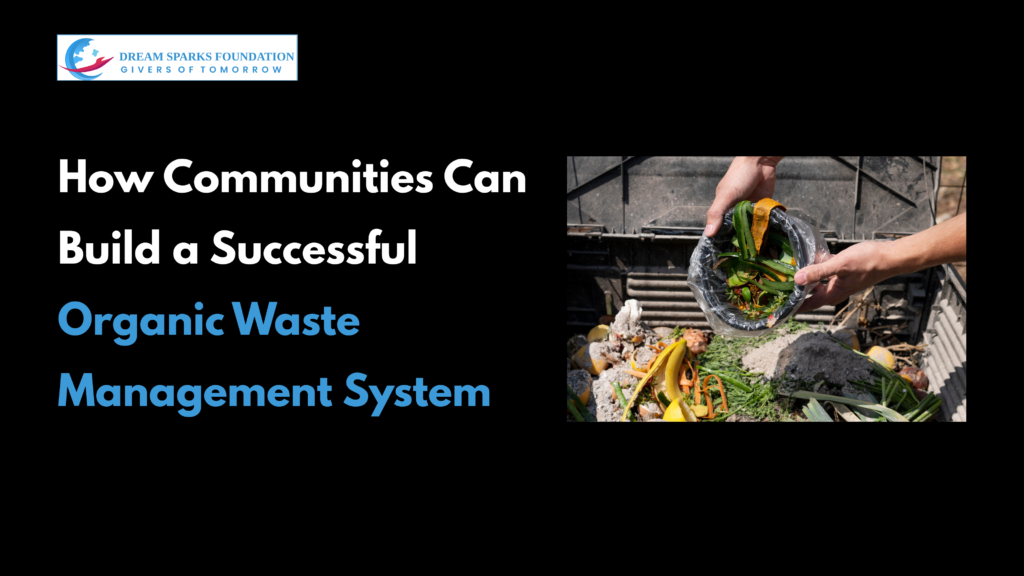
Organic waste is one of the largest components of everyday household and community waste. Food scraps, vegetable peels, garden waste, and other biodegradable materials can quickly become a major environmental challenge when they are mixed with recyclable and non-recyclable waste. However, with proper waste segregation, community participation, composting, recycling, and consistent monitoring, communities can transform organic waste from a disposal problem into a valuable resource.
A successful community waste management system is not simply about collecting waste. It is about creating a structured process that helps residents reduce waste, segregate it correctly, process organic waste responsibly, recycle recoverable materials, and dispose of unavoidable waste safely.
For residential communities, apartments, schools, institutions, workplaces, and local neighbourhoods, building an effective waste management system can contribute to cleaner surroundings, reduced landfill dependency, better resource recovery, and a more sustainable future.
What Is Community Waste Management?
Community waste management refers to the organized planning, segregation, collection, processing, recycling, treatment, and responsible disposal of waste generated within a community.
An effective system brings together residents, facility teams, housekeeping staff, waste workers, local authorities, recyclers, and community organizations. Everyone has a role to play in ensuring that waste is handled correctly from the point where it is generated until its final treatment or disposal.
Why Is Proper Waste Segregation Important?
The foundation of an effective waste management system is proper waste segregation.
When wet waste, dry recyclable materials, sanitary waste, and hazardous waste are mixed together, the value of recyclable and organic materials decreases. Contaminated recyclable materials can become difficult to recover, while organic waste can generate unpleasant odours and other problems.
Continue reading about The Role of Composting in Reducing Food Waste and Enriching Soil with this link
How Can Communities Manage Organic Waste Effectively?
Step 1: Generate Less
Reduce avoidable food and biodegradable waste wherever possible.
Step 2: Segregate Correctly
Keep organic waste separate from recyclable, sanitary, and hazardous waste.
Step 3: Collect Properly
Use suitable containers and establish reliable collection procedures.
Step 4: Process Organic Waste
Where feasible, process suitable organic waste through composting or another appropriate treatment method.
Step 5: Recover Value
Properly processed organic material may become compost or another useful output depending on the treatment method.
Step 6: Monitor Performance
Track quantities, participation, contamination, and processing outcomes.
Step 7: Improve
Use the collected information to improve awareness, operations, infrastructure, and participation.
How Technology and Tracking Can Support Waste Management
Digital tools can complement physical waste management practices by improving visibility and accountability.
For example, a community may use digital records to track:
- Waste generation
- Collection activities
- Processing quantities
- Recycling performance
- Segregation issues
- Service requests
- Operational observations
- Monthly performance
A digital waste management tracking system can help facility teams move from fragmented records toward more organized monitoring.
Common Challenges in Community Waste Management
Poor Waste Segregation
Residents may mix wet and dry waste due to a lack of awareness or unclear instructions.
Low Participation
Some residents may not consistently follow waste management practices.
Contaminated Recyclables
Food residue and other contaminants can reduce the recovery value of recyclable materials.
Lack of Monitoring
Without measurement, communities may not know whether their program is improving.
Improper Special Waste Disposal
Hazardous and special waste can create risks when mixed with regular waste.
These challenges can be addressed through clear processes, communication, accountability, and continuous monitoring.
Benefits of an Effective Community Waste Management System
1. Reduced Landfill Dependency
Separating and recovering recyclable and organic materials can reduce the quantity of residual waste requiring disposal.
2. Better Resource Recovery
Materials that would otherwise be discarded can be recovered and potentially reused, recycled, or processed.
3. Cleaner Communities
Proper segregation and collection can help maintain cleaner waste collection areas.
4. Reduced Food Waste
Food waste reduction programs can encourage residents to use resources more responsibly.
5. Increased Environmental Awareness
Regular community campaigns can create long-term sustainable habits.
Conclusion
Building a successful community waste management system requires more than installing separate bins. It requires a coordinated approach that combines proper waste segregation, organic waste processing, recycling, waste reduction, trained teams, community participation, awareness, and continuous monitoring.
Organic waste in particular presents an opportunity. Instead of treating every biodegradable material as something that must be discarded, communities can explore appropriate ways to reduce, process, and recover value from it.
The most effective waste management systems are built around a simple principle: everyone has a role to play.
Residents can segregate. Waste teams can coordinate. Facility managers can monitor. Communities can educate. Recycling partners can recover materials. Local authorities can support appropriate waste services.