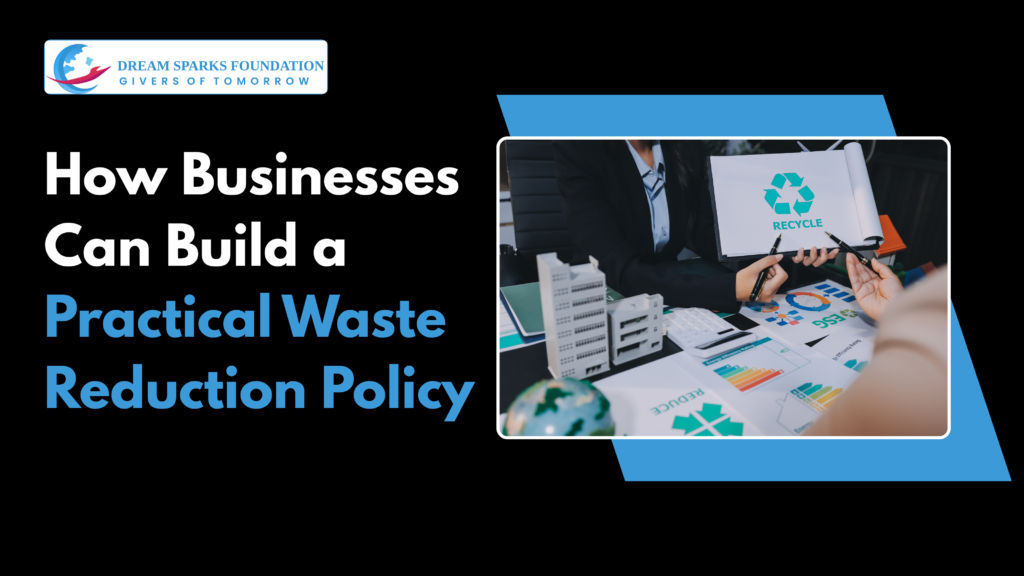
Waste management has become an important responsibility for businesses, commercial buildings, corporate offices, shopping complexes, hotels, and residential communities. As commercial activities increase, the amount of waste generated every day also grows. Without proper planning and management, this waste can create environmental challenges, increase operational costs, and affect the cleanliness and hygiene of workplaces.
A well-planned waste reduction policy for businesses helps organisations manage waste responsibly, minimise unnecessary disposal, improve resource utilisation, and create cleaner working environments. Rather than treating waste management as a routine cleaning activity, businesses should consider it an essential part of their environmental and operational responsibilities.
Commercial buildings generate different types of waste, including food waste, paper, cardboard, packaging materials, electronic waste, and other general waste. Managing these materials requires a structured approach that focuses on waste prevention, source segregation, responsible disposal, and recycling wherever appropriate.
In this guide, we will explore how businesses can develop a practical waste reduction policy, implement effective waste management systems, and encourage employees and facility management teams to participate in sustainable practices.
1. Understand the Types of Waste Generated in Commercial Buildings
Before developing a waste reduction policy, businesses must understand what types of waste their buildings generate. Different materials require different handling, treatment, and disposal methods.
Identifying waste categories helps organisations plan appropriate waste management practices and avoid mixing materials that require separate treatment.
The common types of waste generated in commercial buildings include:
Continue reading about Sustainable Management of Construction and Demolition Materialswith this link.
Food Waste
Food waste is one of the major waste streams in corporate cafeterias, restaurants, hotels, and commercial kitchens. Leftover food, vegetable peels, fruit waste, and other biodegradable materials can accumulate quickly.
Instead of sending all wet waste for disposal, businesses can adopt appropriate on-site organic waste processing methods, such as composting and other biological treatment processes.
The resulting organic manure can be utilised for gardening and landscaping activities, depending on its quality and applicable requirements.
Paper and Cardboard Waste
Offices generate paper waste through printing, documentation, packaging, and everyday administrative activities.
Businesses can reduce paper consumption by adopting digital documentation, encouraging double-sided printing, reusing suitable materials, and sending clean recyclable paper and cardboard to authorised recycling channels.
Electronic Waste (E-Waste)
Electronic waste includes discarded computers, keyboards, printers, batteries, cables, mobile phones, and other electronic equipment.
Improper electronic waste disposal can create environmental risks because certain electronic components contain hazardous substances.
Businesses should establish a proper collection and storage process and hand over electronic waste to authorised recyclers or collection facilities.
Hazardous Waste
Some commercial and industrial operations generate hazardous materials, including certain chemicals, paints, solvents, and contaminated containers.
These materials require appropriate identification, storage, handling, and hazardous waste disposal through authorised facilities, in accordance with applicable environmental regulations.
Medical and Sanitary Waste
Healthcare facilities, clinics, and laboratories may generate medical waste that requires specialised segregation, handling, treatment, and disposal.
Medical waste management must follow the applicable biomedical waste regulations and should not be mixed with ordinary commercial waste.
Understanding these waste categories allows businesses to establish a more organised waste management system.
2. Conduct a Waste Audit Before Creating a Policy
A waste audit is one of the most important steps in developing an effective waste reduction policy.
It helps businesses understand how much waste is generated, where it comes from, and which materials can be reduced, reused, recycled, or processed appropriately.
A practical waste audit should include:
Identify waste generation points: Inspect cafeterias, office floors, meeting rooms, washrooms, parking areas, and common spaces.
Measure daily waste quantities: Record the approximate quantity of wet waste, dry waste, and other waste categories.
Understand disposal practices: Review how waste is currently collected, segregated, stored, and transferred.
Identify avoidable waste: Find opportunities to reduce unnecessary printing, packaging, disposable products, and food wastage.
Review existing waste management services: Evaluate whether the current service providers follow appropriate segregation and disposal procedures.
For example, a commercial building may discover that its cafeteria generates a significant quantity of food waste every day. By introducing better food planning, portion management, and on-site organic waste processing, the building can reduce the amount of wet waste sent outside its premises.
The findings from a waste audit provide a practical foundation for creating measurable waste reduction targets.
3. Establish Clear Waste Reduction Goals
A waste reduction policy should have clear and measurable objectives. General statements such as “we want to reduce waste” are not enough to create meaningful improvements.
Businesses should establish specific targets based on their waste audit results, operational requirements, and available resources.
Some practical goals include:
Reduce food waste generated in cafeterias.
Improve waste segregation across all building floors.
Reduce unnecessary paper consumption.
Encourage reusable products instead of disposable alternatives.
Ensure proper handling of electronic and hazardous waste.
Improve recycling and responsible disposal practices.
Introduce regular waste monitoring and reporting.
For example, a commercial building can set a target to reduce avoidable food waste by 15% within six months. Progress can be monitored through regular cafeteria waste records.
Setting realistic targets makes waste management projects easier to implement and evaluate.
4. Implement Proper Waste Segregation at the Source
Source segregation is one of the most effective ways to improve solid waste management in commercial buildings.
When different types of waste are mixed, recycling and organic waste processing become more difficult. Proper segregation ensures that each waste category can be handled through an appropriate process.
Businesses should introduce clearly labelled waste collection bins in accessible locations.
5. Introduce On-Site Organic Waste Management for Food Waste
Food waste management is particularly important for commercial buildings with cafeterias, restaurants, hotels, and large employee dining areas.
Transporting untreated wet waste over long distances can increase handling requirements and create hygiene challenges. Businesses can explore on-site organic waste management solutions to process biodegradable waste within their premises.
Organic Waste Converter machines are one option for suitable commercial applications. These machines help process segregated organic waste into organic manure through an appropriate treatment process.
The major benefits of on-site organic waste management include:
Reduces the quantity of wet waste requiring external disposal.
Supports responsible handling of food and biodegradable waste.
Helps produce organic manure for gardening and landscaping.
Reduces dependency on transporting untreated wet waste.
Supports cleaner and more organised waste management practices.
Encourages better environmental awareness among employees and occupants.
However, businesses should select processing equipment based on daily waste generation, available space, operational requirements, and the quality of the resulting output.
For commercial buildings, on-site wet waste management can become an important part of a long-term waste reduction strategy.
6. Follow the Reduce, Reuse, and Recycle Approach
The 3R principle — Reduce, Reuse, and Recycle — provides a simple framework for businesses to minimise waste generation.
Instead of focusing only on waste disposal, organisations should prioritise preventing waste at its source.
Reduce
Businesses should identify unnecessary consumption and minimise waste generation wherever possible.
Examples include:
Encourage digital communication instead of unnecessary printing.
Reduce single-use packaging.
Plan cafeteria food quantities according to actual demand.
Purchase office supplies in appropriate quantities.
Choose products with less unnecessary packaging.
Reuse
Reusable materials can help extend the useful life of products and reduce disposal requirements.
Examples include:
Encourage reusable water bottles and coffee cups.
Reuse suitable packaging materials.
Use both sides of paper where printing is necessary.
Donate usable office furniture and equipment.
Repair suitable electronic equipment instead of replacing it immediately.
Recycle
Materials that cannot be reused should be directed to appropriate recycling channels wherever possible.
Examples include:
Paper and cardboard recycling.
Metal recycling.
Appropriate plastic recycling through authorised channels.
Electronic waste recycling through authorised facilities.
Following the 3R approach helps organisations build a more responsible and resource-efficient waste management system.
7. Develop a Responsible Waste Disposal System
Even after reducing, reusing, and recycling waste, some materials will still require disposal.
Businesses should establish clear procedures for handling materials that cannot be processed or recycled within their premises.
An effective waste disposal system should include:
Identifying the type and quantity of waste generated.
Maintaining separate collection and temporary storage areas.
Working with appropriate authorised waste handlers.
Maintaining waste transfer and disposal records.
Ensuring hazardous and electronic waste is handled separately.
Reviewing service provider performance regularly.
Businesses should also understand that different waste categories are governed by different regulatory requirements.
8. Train Employees and Facility Management Teams
A waste reduction policy will only work when employees and operational teams understand their responsibilities.
Even well-designed waste management systems can fail if people do not follow segregation and disposal procedures.
Businesses should organise regular awareness programmes and practical training sessions for employees, housekeeping staff, cafeteria workers, and facility management teams.
Training should cover:
Importance of waste reduction.
Correct waste segregation practices.
Proper use of collection bins.
Food waste prevention.
Responsible handling of electronic waste.
Reporting incorrect waste disposal.
Maintaining cleanliness in common areas.
Organisations can also display simple instructions near waste collection points to remind employees about correct disposal practices.
09. Partner with Professional Waste Management Service Providers
Managing different types of waste requires appropriate infrastructure, technical knowledge, and operational planning.
Businesses may benefit from working with professional waste management services to improve waste segregation, organic waste processing, recycling coordination, and responsible disposal.
When selecting a service provider, organisations should consider:
Experience in commercial waste management.
Ability to support on-site wet waste processing.
Suitable equipment and operational capacity.
Knowledge of applicable environmental regulations.
Proper documentation and reporting.
Regular monitoring and maintenance support.
For commercial buildings, integrated facility management and waste management planning can help streamline everyday operations.
10. Build a Long-Term Sustainable Waste Management Culture
Waste reduction should not be treated as a one-time project. It should become a regular part of business operations.
Commercial buildings can strengthen their environmental practices by introducing long-term initiatives that encourage responsible consumption and waste handling.
Some effective initiatives include:
Conducting regular waste audits.
Reviewing waste reduction targets every quarter.
Encouraging employees to report waste management issues.
Promoting reusable products.
Improving cafeteria food planning.
Processing suitable wet waste within the premises.
Reviewing recycling and disposal arrangements.
Conducting environmental awareness campaigns.
Businesses should also consider integrating waste reduction goals into their broader sustainability and environmental management plans.
Conclusion
Building a practical waste reduction policy is an important step for businesses that want to improve environmental responsibility and operational efficiency.
From conducting waste audits and setting measurable goals to implementing source segregation, managing food waste, and establishing responsible disposal systems, every step contributes to better solid waste management.
Commercial buildings should focus on reducing waste at its source, processing suitable organic waste responsibly, recycling recoverable materials, and ensuring that specialised waste categories are handled through appropriate channels.
Most importantly, waste reduction requires the participation of employees, facility managers, service providers, and building occupants.
With consistent monitoring, proper planning, and the right waste management practices, businesses can create cleaner commercial environments and contribute to a more sustainable future.