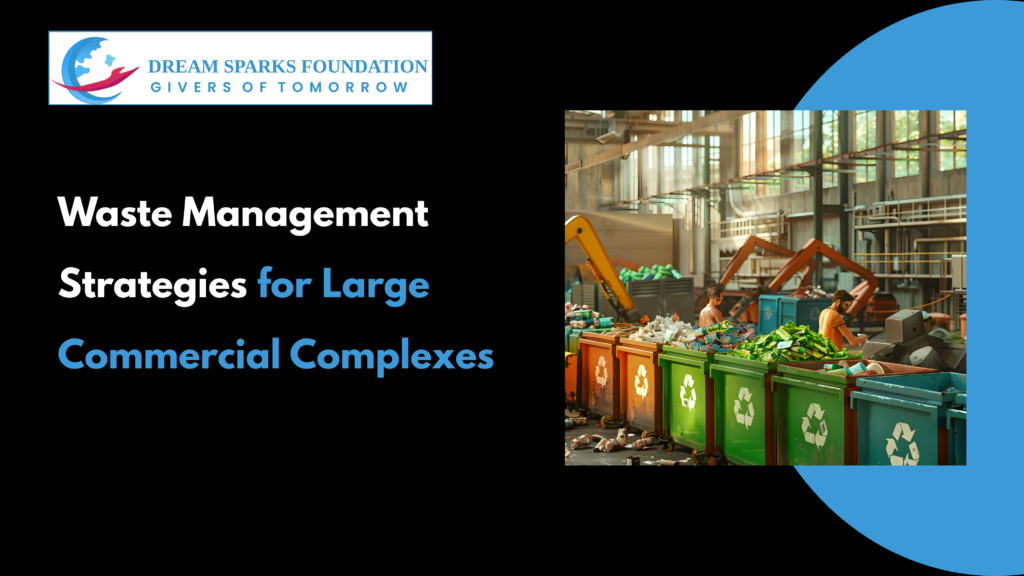
Large commercial complexes such as office parks, shopping malls, IT campuses, hospitals, educational institutions, and mixed-use developments generate significant amounts of waste every day. Without an organized system, waste can quickly become a costly operational challenge that impacts hygiene, sustainability, compliance, and public perception.
Implementing Waste Management Strategies for Large Commercial Complexes helps businesses reduce waste generation, improve recycling rates, lower disposal costs, and create environmentally responsible workplaces. As sustainability becomes a priority for organizations worldwide, adopting effective waste management and recycling practices is no longer optional—it is essential.
This guide explains how commercial buildings can build efficient waste management systems while supporting environmental goals and regulatory compliance.
Why Waste Management Matters in Commercial Buildings
Commercial properties produce various waste streams, including:
- Food waste from cafeterias
- Paper and cardboard
- Plastic packaging
- Glass bottles
- Metal cans
- Organic waste
- Electronic waste
- Construction debris
- Waste water
- Hazardous materials
A structured waste management system ensures that these materials are handled responsibly while reducing landfill dependency and improving operational efficiency.
Proper waste disposal also protects public health, minimizes environmental pollution, and helps businesses comply with government regulations.
Common Waste Challenges in Commercial Complexes
Large buildings often struggle with:
- Mixed waste collection
- Low recycling awareness
- Overflowing waste bins
- High waste disposal expenses
- Poor segregation practices
- Food waste accumulation
- Limited recycling infrastructure
- Lack of employee participation
These issues increase operational costs and reduce recycling efficiency.
Step 1: Conduct a Waste Audit
Every successful waste management program begins with understanding what types of waste are being generated.
A waste audit helps identify:
- Quantity of waste produced
- Types of recyclable materials
- Organic waste generation
- High-waste departments
- Opportunities for waste reduction
Once businesses understand their waste streams, they can develop targeted improvement strategies.
Continue reading about 5 Ways Your Company Can Do Waste Management Better Through Smart Planning with this link
Step 2: Implement Proper Waste Segregation
Segregation is one of the most important recycling guidelines for commercial facilities.
Install clearly labeled:
- Recycling bins
- Compost bins
- Waste bins
- Trash bins
- E-waste collection containers
Color-coded collection systems help employees separate waste correctly and reduce contamination.
Typical categories include:
- Paper
- Plastic
- Glass
- Metal
- Organic waste
- Electronic waste
- General waste
Proper segregation improves waste recycling efficiency and reduces landfill waste.
Step 3: Follow the Reduce, Reuse, Recycle Principle
Reduce
Lower waste generation by:
- Eliminating unnecessary packaging
- Using digital documentation
- Purchasing reusable products
- Avoiding single-use plastics
Reuse
Encourage employees to:
- Reuse office supplies
- Reuse storage containers
- Reuse packaging materials
- Donate usable furniture and equipment
Small changes in re use practices can significantly reduce waste generation.
Recycle
- Paper
- Plastic
- Metal
- Glass
- Cardboard
- Electronic waste
Using certified recycling partners ensures valuable materials return to the production cycle.
Step 4: Improve Waste Collection Systems
Efficient waste collection prevents overflow and improves cleanliness.
Best practices include:
- Scheduled waste pickups
- Smart collection routes
- Dedicated recycling stations
- Separate organic waste collection
- Daily monitoring of trash bins
Modern commercial facilities increasingly use digital systems to optimize collection schedules and reduce unnecessary transportation.
Step 5: Manage Food Waste Effectively
Food waste is one of the largest waste streams in commercial buildings with cafeterias.
Solutions include:
- Portion control
- Better inventory planning
- Composting of waste
- Food donation programs
- Organic waste segregation
Installing compost bins helps convert biodegradable waste into nutrient-rich compost rather than sending it to landfills.
Benefits of Effective Waste Management
Organizations that invest in sustainable waste management experience numerous enefits:
Lower Operational Costs
Reducing waste lowers transportation and landfill expenses.
Improved Reycling Rates
Proper segregation increases recovery of recyclable materials.
Better Workplace Hygiene
Clean facilities improve employee satisfaction and visitor experience.
Regulatory Compliance
Proper waste disposal helps organizations meet environmental regulations.
Enhanced Corporate Image
Customers increasingly prefer businesses committed to sustainability.
Environmental Protection
Recycling conserves natural resources and reduces pollution.
Best Practices for Commercial Waste Management
Successful organizations follow these practices:
- Conduct regular waste audits.
- Install adequate recycling bins and compost bins.
- Train employees regularly.
- Partner with authorized recycling companies.
- Monitor waste generation using digital tools.
- Reduce single-use products.
- Encourage reuse initiatives.
- Track recycling performance.
- Continuously update waste reduction strategies.
The Future of Waste Management in Commercial Buildings
The future of commercial waste management is becoming smarter, data-driven, and more sustainable.
Emerging technologies include:
- AI-powered waste sorting
- IoT-enabled smart bins
- Predictive waste analytics
- Robotics for recycling
- Automated waste tracking
- Circular economy solutions
These innovations help businesses reduce environmental impact while improving operational efficiency.
How Dream Sparks Foundation Supports Sustainable Waste Management
At Dream Sparks Foundation, we believe effective waste management begins with awareness, responsible practices, and community participation. We work with organizations, institutions, and communities to promote sustainable waste management through education, segregation initiatives, recycling awareness, and environmentally responsible solutions.
By encouraging proper waste collection, recycling, composting, and resource conservation, we help commercial establishments move toward cleaner operations and long-term sustainability. Together, we can reduce environmental impact, improve waste management practices, and build greener commercial spaces for future generations.
Conclusion
Implementing Waste Management Strategies for Large Commercial Complexes is essential for reducing operational costs, improving recycling efficiency, and protecting the environment. By adopting proper waste segregation, recycling, composting, waste water management, and employee awareness programs, commercial buildings can significantly reduce landfill waste and move toward a zero-waste future.
Sustainable waste management is not just about handling waste—it’s about creating cleaner workplaces, conserving valuable resources, and contributing to a healthier planet. With the right planning and commitment, every commercial complex can become a model of environmental responsibility.