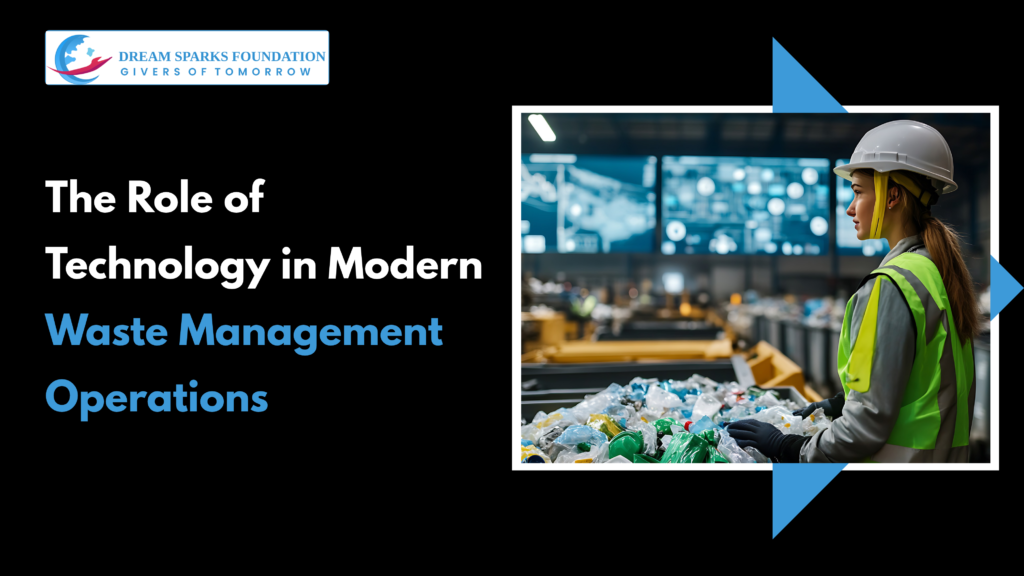
Waste management has become an important priority for residential communities, commercial buildings, industries and urban environments. As waste generation continues to increase, traditional waste disposal methods alone are not enough to support efficient and sustainable operations. Businesses and facility managers need practical solutions to improve waste segregation, reduce waste sent to landfills and manage waste responsibly.
Technology in waste management is helping organizations improve the way waste is handled, processed and monitored. From modern waste processing machinery to improved segregation practices and digital operational tools, technology can make waste management more organized, efficient and environmentally responsible.
For residential communities and commercial facilities, adopting suitable waste management systems can improve hygiene, reduce operational challenges and support more sustainable waste handling practices.
What Is Technology in Waste Management?
Technology in waste management refers to the use of machinery, equipment, digital tools and improved processing methods to manage waste more efficiently. These solutions help organizations handle waste generation, segregation, processing, recycling and disposal in a more systematic way.
Modern waste management solutions may include:
Waste segregation systems that separate wet, dry and recyclable materials.
Organic waste converter machines that process suitable organic waste into compost or manure.
Shredders and screening equipment that prepare and refine materials for further processing.
Digital tools that help facility teams coordinate waste-related tasks and maintenance activities.
Waste tracking and reporting systems that support operational monitoring and documentation.
The right combination of equipment and processes depends on the type of waste generated, the available space, the volume of waste and the facility’s operational requirements.
Continue reading about Event Waste Management: 9 Strategies to Reduce Waste and Improve Sustainability with this link.
1. Improving Waste Segregation at the Source
Waste segregation is one of the most important steps in effective waste management. When different types of waste are mixed, recycling and organic waste processing become more difficult.
Technology can support better waste segregation through clearly identified waste bins, suitable collection arrangements, sorting equipment and organized handling procedures.
For example, residential communities can establish separate collection points for wet waste, dry waste and recyclable materials. Facility teams can then ensure that each category is directed to an appropriate processing or disposal route.
Effective source segregation helps to:
Reduce contamination between different waste categories.
Improve the quality of recyclable materials.
Make organic waste processing more effective.
Reduce avoidable waste disposal.
Maintain cleaner and more hygienic waste handling areas.
However, equipment alone cannot guarantee proper segregation. Clear instructions, resident awareness and consistent operating procedures are equally important.
2. Making On-Site Wet Waste Processing More Efficient
Food scraps, vegetable peels and other suitable biodegradable materials form a significant part of the waste generated in many residential communities, hotels, offices and commercial establishments.
Instead of transporting all such waste away from the premises, facilities can consider processing suitable wet waste on-site using appropriate organic waste management equipment.
An organic waste converter machine can help process eligible organic waste into compost or manure, depending on the machine design, operating conditions and treatment method.
Modern waste processing equipment can support:
More organized handling of wet waste.
Reduced accumulation of untreated organic waste.
Better utilization of available waste processing space.
Conversion of suitable organic waste into useful organic material.
Improved day-to-day waste management operations.
Successful processing requires proper waste segregation, appropriate equipment capacity, regular maintenance and correct operating practices. The resulting material should be handled and used according to its quality and applicable requirements.
For residential communities and commercial facilities, on-site wet waste processing can be a practical step towards reducing dependence on conventional waste disposal.
3. Supporting Waste Reduction and Recycling
Waste reduction is not only about disposing of waste properly. It also involves identifying opportunities to prevent waste generation, reuse materials and improve recycling practices.
Technology can help organizations establish better processes for identifying recyclable materials, improving sorting practices and directing suitable waste to appropriate recovery facilities.
Examples include:
Using dedicated bins for recyclable materials.
Separating cardboard, paper, metal and suitable plastic materials.
Using appropriate shredders to prepare certain materials for further processing.
Using screening equipment to separate compost or other processed materials by size.
Reviewing waste generation patterns to identify opportunities for reduction.
Industrial waste management may require additional equipment and specialized procedures based on the materials involved. Hazardous waste, electronic waste and wastewater also require specific handling and treatment methods rather than being managed through ordinary municipal waste systems.
A well-planned waste management system helps organizations make better use of recoverable materials while reducing unnecessary disposal.
4. Improving Operational Efficiency Through Digital Tools
Waste management involves more than collection and processing. Facility teams must also coordinate maintenance, equipment inspections, housekeeping and operational responsibilities.
Digital facility management tools can help organize these activities by recording service requests, assigning tasks, tracking progress and maintaining maintenance records.
For example, facility managers may use digital work orders to schedule preventive maintenance for waste processing equipment. Task tracking can also help teams identify pending inspections, record completed work and follow up on operational issues.
These tools can support:
Better coordination among facility management teams.
More timely equipment maintenance.
Improved visibility into pending tasks.
Organized maintenance and service records.
Clearer accountability for assigned responsibilities.
Digital tools do not replace the need for trained operators or suitable machinery. Instead, they help teams manage the operational activities required to keep waste management systems functioning effectively.
5. Reducing Environmental Impact Through Better Waste Handling
Improper waste handling can contribute to unpleasant odours, unhygienic surroundings, pest problems and increased pressure on disposal facilities.
Technology can help reduce these challenges when it is combined with appropriate waste segregation, regular processing, cleaning and maintenance.
For example, processing suitable wet waste within a facility can reduce the amount of untreated organic waste that needs to be moved off-site. Properly maintained equipment and organized storage areas can also support cleaner waste handling operations.
Responsible waste management can contribute to:
Reduced accumulation of untreated organic waste.
Better hygiene in designated waste handling areas.
Improved recovery of recyclable materials.
More efficient use of waste processing resources.
Greater awareness of sustainable waste management practices.
The environmental benefits depend on correct implementation, the type of waste handled and the effectiveness of the overall waste management process.
6. Choosing the Right Waste Management Equipment
Every facility has different waste management requirements. A residential apartment complex may generate food waste, garden waste and household recyclables, while a commercial building may have different waste volumes and operational constraints.
Selecting the right equipment requires an understanding of the waste stream, available space, processing capacity and maintenance requirements.
Important factors to consider include:
Waste type: Identify whether the primary requirement involves wet waste, garden waste, dry recyclables or specialized waste streams.
Processing capacity: Choose equipment suited to the average daily waste volume and expected variations.
Available space: Evaluate installation requirements, ventilation, access and the movement of waste within the premises.
Maintenance requirements: Consider cleaning, routine inspections, spare parts and operator training.
End use of processed material: Determine how compost, manure or recovered materials will be handled and used.
Operational safety: Ensure the equipment is installed and operated according to manufacturer instructions and relevant safety requirements.
A suitable combination of equipment and operating procedures can help facilities improve waste handling without introducing unnecessary operational complexity.
7. The Role of Technology in Residential and Commercial Facility Management
Residential communities, offices, hotels and commercial buildings need consistent waste management practices to maintain clean and functional environments.
For facility managers, waste management should be integrated into the broader facility maintenance plan. This includes scheduling equipment inspections, keeping processing areas clean, monitoring waste segregation practices and coordinating responsibilities among housekeeping and maintenance teams.
Technology can help bring these activities together through suitable processing machinery and digital task management systems.
For example, a residential community can establish separate wet and dry waste handling processes, use an organic waste converter for suitable biodegradable waste and schedule regular equipment maintenance through a structured workflow.
Commercial facilities can follow a similar approach, adapting the process to their waste generation patterns, available infrastructure and applicable regulations.
The goal is to create a reliable system in which waste segregation, processing, maintenance and disposal work together efficiently.
8. How Bizinfratech Supports Modern Waste Management
Bizinfratech focuses on practical solutions for organic waste processing and facility management. Its organic waste converter machinery supports facilities looking to manage suitable wet waste within their premises.
By combining appropriate equipment with organized waste segregation and regular maintenance, residential communities and commercial establishments can improve their day-to-day waste management processes.
Key considerations for an effective on-site waste management approach include:
Wet waste processing: Using suitable organic waste converter equipment to process segregated biodegradable waste.
Operational efficiency: Establishing clear procedures for handling and processing waste within the premises.
Equipment maintenance: Planning routine inspections and servicing to support reliable operation.
Facility hygiene: Maintaining clean waste handling and processing areas.
Sustainable practices: Supporting waste reduction and the responsible use of processed organic material.
Bizinfratech also provides facility management solutions that can help organizations maintain their premises through structured maintenance and operational practices.
Choosing the right equipment and establishing consistent procedures can help residential and commercial facilities move towards more organized and sustainable waste management.
9. Challenges to Consider When Adopting Waste Management Technology
Although technology offers several benefits, successful implementation requires proper planning. Facilities should evaluate their requirements before investing in equipment or digital systems.
Common challenges include:
Incorrect waste segregation: Mixed waste can affect processing quality and equipment performance.
Insufficient capacity planning: Equipment that does not match the waste volume may create operational difficulties.
Lack of maintenance: Neglected machinery can experience reduced efficiency and unexpected downtime.
Limited staff awareness: Operators need suitable training and clear instructions.
Space constraints: Equipment installation and waste movement must be planned carefully.
Regulatory requirements: Waste handling, processing and disposal must comply with applicable local rules.
Addressing these challenges early helps organizations select appropriate solutions and establish practical waste management procedures.
Conclusion
Technology is playing an increasingly important role in modern waste management by helping organizations improve segregation, process suitable waste more efficiently and coordinate facility operations.
For residential communities and commercial establishments, the most effective approach combines appropriate waste processing equipment, responsible waste segregation, regular maintenance and well-defined operating procedures.
Investing in the right waste management solutions can help facilities reduce avoidable disposal, improve hygiene and support more sustainable operations. With practical on-site wet waste processing solutions and structured facility management practices, businesses can take meaningful steps towards responsible waste handling.