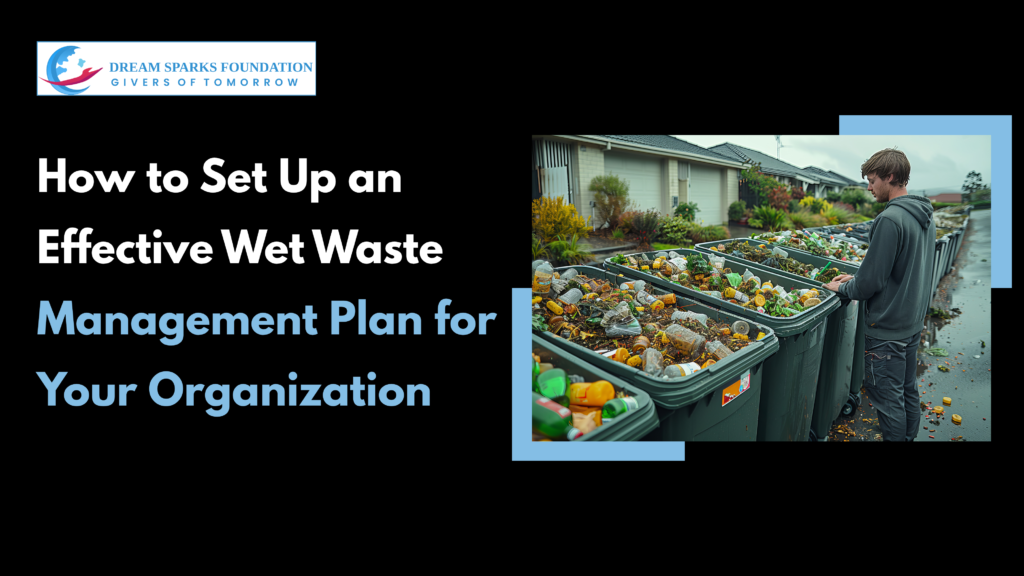
Managing waste effectively is an important part of running a responsible and sustainable organization. Businesses generate different types of waste every day, including food scraps, garden waste, packaging materials, paper, cardboard, and other commercial waste. Without a proper system, waste can quickly become difficult to manage, increase disposal costs, create hygiene concerns, and contribute to environmental pollution.
An effective waste management plan for business operations provides a structured approach to reducing waste, segregating it correctly, treating organic waste, improving recycling, and ensuring that unavoidable waste is handled responsibly.
For organizations looking to become more environmentally responsible, wet waste management should be an important part of this plan.
What Is a Business Waste Management Plan?
A business waste management plan is a structured system that explains how an organization will handle the waste it generates—from the point where waste is created to its final treatment, recycling, or disposal.
A well-designed plan should answer five basic questions:
- What types of waste does the organization generate?
- Where is the waste generated?
- How should each type of waste be segregated?
- Which waste can be treated, recycled, or recovered?
- How will waste management performance be monitored?
The objective is not simply to remove waste from the premises. Instead, organizations should aim to reduce waste generation, recover useful resources, and minimize the amount of waste sent for final disposal.
Why Is Wet Waste Management Important for Businesses?
Wet waste generally includes food scraps, vegetable and fruit waste, leftover food, and other biodegradable organic materials. Restaurants, hotels, offices with cafeterias, residential facilities, educational institutions, healthcare facilities, and commercial establishments can generate significant quantities of organic waste.
When wet waste is mixed with other waste, it becomes difficult to recover recyclable materials and can create unpleasant odors, hygiene problems, and pest-related concerns.
Step 1: Conduct a Waste Audit
The first step in creating an effective waste management plan is understanding what your organization actually generates.
Conduct a waste audit for several days or weeks and record:
- Type of waste generated
- Approximate quantity
- Areas where waste is generated
- Frequency of waste generation
- Existing collection methods
- Current treatment or disposal practices
- Problems such as contamination, odor, or overflowing bins
For example, a business may discover that its cafeteria produces large quantities of food waste while its office areas mainly generate paper and packaging waste.
This information helps the organization create a waste management system based on actual requirements rather than assumptions.
A business waste management plan is a structured system that explains how an organization will handle the waste it generates—from the point where waste is created to its final treatment, recycling, or disposal.
A well-designed plan should answer five basic questions:
- What types of waste does the organization generate?
- Where is the waste generated?
- How should each type of waste be segregated?
- Which waste can be treated, recycled, or recovered?
- How will waste management performance be monitored?
The objective is not simply to remove waste from the premises. Instead, organizations should aim to reduce waste generation, recover useful resources, and minimize the amount of waste sent for final disposal.
Continue reading about 7 Proven Waste Management Tips for Apartment Residents with this link.
Step 2: Identify Different Waste Streams
Not all waste should be handled in the same way.
A basic business waste management system can separate waste into categories such as:
Wet or Organic Waste
Examples include:
- Food scraps
- Vegetable and fruit waste
- Leftover food
- Garden and plant waste
- Other biodegradable organic materials
Dry Recyclable Waste
This may include:
- Paper
- Cardboard
- Certain plastics
- Metal
- Glass
Hazardous or Special Waste
Depending on the organization, this can include materials requiring specialized handling, such as chemicals, batteries, electronic waste, or other regulated materials.
Proper identification allows each waste stream to receive the appropriate treatment or disposal method.
Step 3: Implement Source Segregation
Source segregation means separating waste where it is generated rather than trying to separate mixed waste later.
This is one of the most important steps in effective waste management.
Clearly labelled bins should be placed in locations where waste is generated, such as:
- Cafeterias
- Kitchens
- Pantry areas
- Offices
- Common areas
- Gardens
- Production areas
Employees, housekeeping teams, and other staff should understand what belongs in each bin.
For wet waste management, preventing contamination is particularly important because food waste mixed with plastics or other materials can make organic waste treatment more difficult.
Step 4: Create a Wet Waste Treatment System
Once wet waste is segregated properly, organizations should evaluate suitable on-site or authorized treatment options based on the quantity and type of organic waste generated.
Possible approaches include:
Composting
Composting converts suitable organic materials into a nutrient-rich compost-like material that can support soil and plant growth.
Organic Waste Processing
Organizations generating larger quantities of wet waste may consider suitable organic waste processing systems designed according to their waste volume, available space, operational requirements, and local regulations.
Resource Recovery
Instead of viewing organic waste simply as something to discard, organizations can explore ways to recover value from biodegradable materials through appropriate treatment processes.
The right approach depends on the organization’s waste quantity, available space, budget, workforce, and operational conditions.
Step 5: Reduce Waste Before Disposal
Waste management should not begin with disposal. It should begin with waste reduction.
Businesses can reduce waste by:
- Avoiding unnecessary food preparation
- Improving inventory management
- Reducing disposable products
- Choosing reusable alternatives
- Purchasing materials responsibly
- Reducing unnecessary packaging
- Educating employees about waste prevention
For example, a cafeteria can monitor food consumption and adjust preparation quantities to reduce avoidable food waste.
Reducing waste at the source can lower the amount of material that needs to be collected, treated, recycled, or disposed of.
Common Mistakes Businesses Should Avoid
Mixing Wet and Dry Waste
Mixed waste makes recycling and organic waste treatment more difficult.
Focusing Only on Collection
Simply arranging commercial waste collection does not address waste reduction or resource recovery.
Lack of Employee Awareness
A technically good system can fail if employees do not understand how to use it.
Poor Bin Placement
Bins should be located close to the areas where waste is generated.
No Measurement
Without tracking quantities and performance, organizations cannot easily identify areas for improvement.
How Technology and Monitoring Can Support Waste Management
Organizations can also use digital tools to improve monitoring and accountability.
Depending on their requirements, businesses can track:
- Waste quantities
- Collection schedules
- Treatment activities
- Maintenance requirements
- Operational issues
- Performance indicators
Digital records can make it easier for facility teams and management to identify recurring problems and make informed decisions.
However, technology should support a well-designed waste management process rather than replace basic practices such as source segregation and waste reduction.
Benefits of an Effective Waste Management Plan
A properly implemented business waste management plan can provide several benefits.
Environmental Benefits
Reducing mixed waste, improving recycling, and treating organic waste appropriately can help minimize the environmental impact associated with waste disposal.
Operational Benefits
Clear procedures can make waste handling more organized and reduce confusion among employees and facility teams.
Hygiene Benefits
Proper handling of wet waste can help maintain cleaner waste storage and collection areas.
Resource Recovery
Organic and recyclable materials can potentially be converted into useful resources instead of being treated entirely as waste.
Sustainability
A structured waste management system can support an organization’s broader environmental and sustainability goals.
Conclusion
Creating an effective waste management plan for your business is not simply about arranging trash removal or commercial waste collection. It is about creating a structured process that starts with waste reduction and source segregation and continues through recycling, organic waste treatment, resource recovery, and responsible disposal.
For organizations generating wet waste, managing organic materials at or close to the point of generation can play an important role in reducing the amount of waste requiring final disposal.
With clear procedures, employee participation, appropriate treatment solutions, regular monitoring, and continuous improvement, businesses can build a more organized and environmentally responsible approach to waste management.