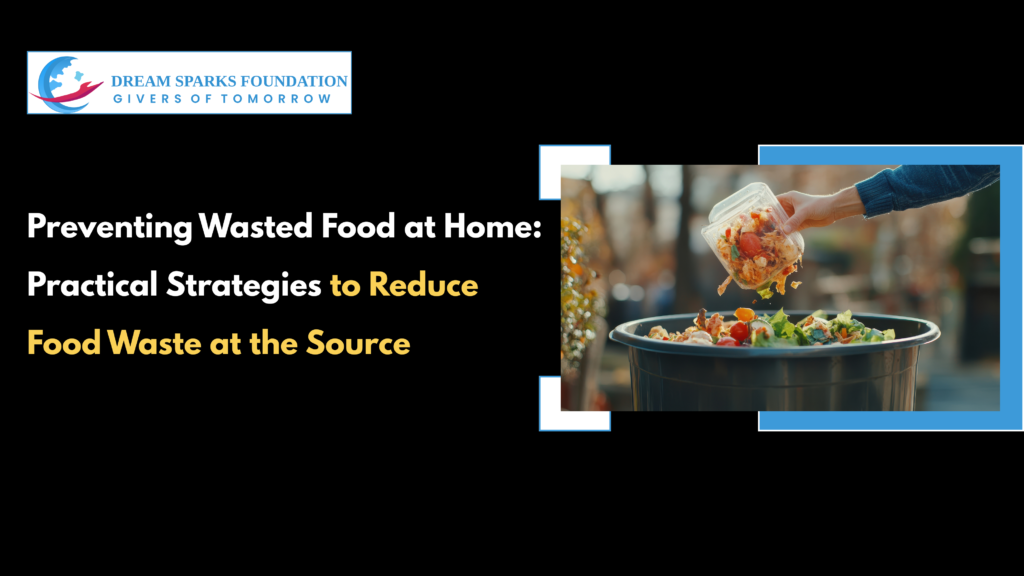
Every day, millions of households throw away perfectly edible food without realizing its impact. Learning how to reduce food waste at home is one of the easiest and most effective ways to save money, conserve natural resources, and protect the environment. Small changes in meal planning, food preparation, and storage can make a significant difference for families and communities alike.
Food waste isn’t just about throwing away leftovers—it also means wasting the water, energy, labor, and transportation used to produce that food. By adopting practical habits, every household can contribute to a more sustainable future while enjoying healthier eating habits and reducing grocery expenses.
Why Food Waste Matters
Food waste is a global environmental and economic challenge. While many people struggle with food insecurity, enormous quantities of edible food end up in landfills every year.
When food is discarded:
- Valuable water and energy are wasted.
- Greenhouse gases increase due to decomposing food.
- Household grocery costs rise.
- Natural resources are unnecessarily consumed.
- Communities lose opportunities to redistribute edible food.
Reducing food waste benefits both people and the planet.
Common Reasons Food Gets Wasted
Buying More Than Needed
Many households purchase excessive amounts of groceries during shopping trips, leading to spoiled fruits, vegetables, dairy products, and packaged food.
Poor Meal Planning
Without proper meal planning, ingredients often remain unused until they expire.
Improper Food Storage
Fresh produce such as vegetable greens, leafy vegetables, and fruits require proper storage to stay fresh longer.
Benefits of Reducing Food Waste at Home
Save Money
Families spend less by buying only what they need and using ingredients efficiently.
Protect the Environment
Reducing food waste lowers landfill waste and greenhouse gas emissions.
Conserve Natural Resources
Producing food is healthy for people only when resources like water, farmland, and energy are used responsibly.
Support Food Security
Less waste means more food is available for redistribution and donation.
How Communities Can Reduce Food Waste
Food waste reduction isn’t limited to individual households.
Communities can:
- Organize food-sharing programs.
- Donate surplus food.
- Establish community composting.
- Educate residents about waste reduction.
- Support local food banks.
- Conduct awareness campaigns.
Collective efforts create long-term environmental benefits.
The Environmental Impact of Food Waste
Food waste has far-reaching environmental consequences that extend beyond overflowing garbage bins. Every piece of discarded food represents wasted resources used during farming, harvesting, processing, transportation, packaging, and storage. Producing food requires significant amounts of water, energy, land, labor, and fuel. When food is wasted, all of these valuable resources are lost as well.
Organic waste sent to landfills decomposes without sufficient oxygen, producing methane—a greenhouse gas that is far more potent than carbon dioxide over the short term. Increased methane emissions contribute to climate change, rising global temperatures, and more frequent extreme weather events.
Reducing food waste at home directly supports environmental conservation by lowering greenhouse gas emissions, conserving freshwater supplies, protecting agricultural land, and reducing pressure on waste management systems.
Continue reading about Why Waste Management Should Be a Priority in Every Industry with this link
How Dream Sparks Foundation Promotes Sustainable Living
At Dream Sparks Foundation, we believe that preventing food waste begins with awareness and everyday action. By educating families, schools, and communities about responsible food consumption, meal planning, and sustainable waste management, we can build healthier communities and a greener future. Every meal saved contributes to environmental conservation and helps create a culture of mindful living.
Conclusion
Reducing food waste at the source is one of the simplest yet most impactful actions individuals and communities can take. Through thoughtful meal planning, smarter shopping, proper food storage, creative use of leftovers, and composting, households can significantly decrease waste while saving money and protecting the environment.
Every small effort matters. By choosing to reduce food waste at home, we conserve valuable resources, reduce landfill waste, and contribute to a more sustainable future for generations to come.